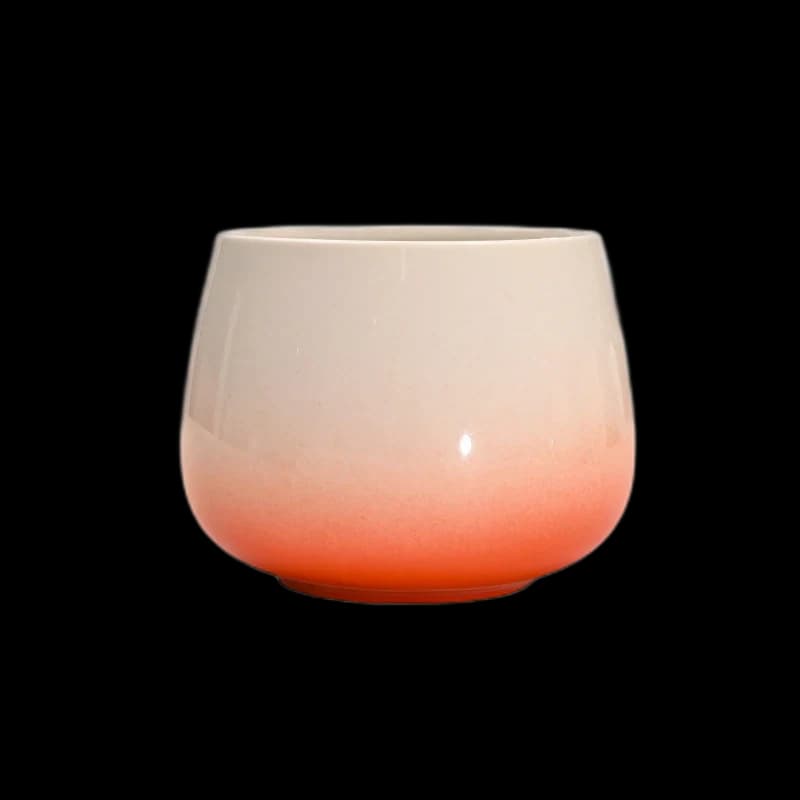
A beautiful morning ritual begins with the touch of a well-crafted vessel. Whether you are holding a warm pour-over or a vibrant whisked matcha, premium ceramic cups bring a tactile, grounding presence to the table. However, the very characteristics that make these cups unique—such as the rich, varied glazes of kiln-turned stoneware—require thoughtful care to maintain their beauty over time.
Here is our guide on how to clean, protect, and extend the life of your favorite ceramic coffee and tea cups.
1. The Daily Wash: Gentle and Immediate
To keep the finish of your ceramics looking vibrant, try to rinse your cup shortly after use. Leaving coffee, black tea, or matcha sitting in a cup for hours is the primary cause of stubborn staining.
* **Hand Washing is Best:** Wash your cups by hand using warm water, a mild dish soap, and a soft sponge to protect the glaze from harsh dishwasher environments.
* **Avoid Abrasives:** Never use steel wool or highly abrasive scrubbing sponges, which can leave micro-scratches on the glaze.
For your daily brew, the Ceramic Coffee Cup 200ml ($14.00) features a beautiful kiln-turned finish that responds wonderfully to gentle hand washing, retaining its deep, organic character for years.
2. Removing Coffee and Matcha Stains Naturally
Over time, tannins from coffee and tea can build up, leaving a faint stain. You do not need harsh chemical bleach to restore them:
* **Baking Soda Paste:** Sprinkle a tablespoon of baking soda into the damp cup. Use a soft cloth to gently rub the powder over the stained areas. The mild abrasiveness lifts stains without scratching.
* **Warm Vinegar Soak:** For tougher stains, fill the cup with equal parts warm water and white vinegar. Let it sit for 10 to 15 minutes, then scrub gently.
This method is particularly useful for keeping the interior of the Ceramic Gradient Coffee and Matcha Tea Cup 240ml ($14.00) looking clean and bright, ensuring the rich red gradient exterior remains the star of your morning setup.
3. Preventing Thermal Shock
Ceramics are sensitive to sudden, extreme changes in temperature. Rapid expansion or contraction can cause the glaze to crack.
* **Pre-warm Your Vessel:** If your kitchen is cold, rinse your cup with warm tap water before pouring boiling water or hot espresso directly into it.
* **Avoid Sudden Temperature Drops:** Never place a hot ceramic cup directly onto a cold marble countertop, and do not rinse a hot cup under cold running water.
For those who enjoy concentrated, high-temperature extractions, the Ceramic Espresso Cup 190ml White ($14.00) features excellent anti-scalding and thermal properties, making it a robust yet elegant choice for daily espresso rituals.
4. Storing with Care
When storing your cups in a cabinet, avoid stacking them directly rim-to-rim. The friction between unglazed foot rings and glazed rims can cause small chips. If space is limited, place a small felt pad or paper towel between each cup to protect the surfaces.